
Public Theology: Leadership, Culture, and the Gospel
Doctor of Ministry Cohort
Application Deadline: January 31, 2027
Overview
Description
Amid decline, polarization, and a society that is either indifferent to or resentful of its existence, the church is in desperate need of a new theological paradigm. Groundbreaking church leadership has always been theological in nature, as exhibited by Paul’s letter to the church in Rome and Luther’s Ninety-Five Theses. The leadership response to polarized churches and to societal indifference and resentment is, surprisingly, a theological rubric built on beauty. That is, it is only the otherworldly beauty of the gospel of Christ, the beauty of a crucified Messiah raised from the dead, that can unify a divided church and energize its mission within a local culture. Operating within the robust paradigm of theological aesthetics, this cohort will equip pastors and church leaders to lead theologically, not only within their own congregations but within the local cultures that their congregations serve. Particular attention will be given to leadership, spiritual formation, cultural engagement, and to making disciples who live out the beauty of the gospel within their own vocations.
Learning Outcomes
Cohort participants will:
- Develop a robust integration of theology, culture, and the arts, incarnated within their own ministry context.
- Articulate an aesthetic theology that sustains and guides all aspects of their ministry.
- Reimagine their ecclesiology and understanding of leadership so as to create space for human flourishing both within the church and within society.
Schedule
Year One
Theological Foundations (16 units)
- Spring 2027: Reading and Seminar Course (Mar–Jun); In-Person Seminar (6 units, online with in-person intensive in Pasadena, April 26–30, 2027)
- Summer 2027: Academic Research and Writing Course (Jun–Aug; 4 units, online)
- Fall 2027: Integration (Sep–Dec; 6 units, online)
What if Dostoevsky was right when he said, “Beauty will save the world”? What if divine beauty––an otherworldly beauty built on the death of Jesus––is precisely how God has saved and is saving the world? In Year One of this cohort, students will gain a foundational knowledge of theological aesthetics, with particular attention given to the doctrine of atonement and to the relationship between art and faith. Diverse theological sources, ranging from Makoto Fujimura to Hans Urs von Balthasar to James Cone, will ground students in a practical theology that can be the foundation for their pastoral leadership within their own cultural setting.
Year Two
Ecclesiology (16 units)
- Spring 2028: Reading and Seminar Course (Mar–Jun); In-Person Seminar (6 units, online with in-person intensive in Pasadena, April 24–28, 2028)
- Summer 2028: Project Proposal Course (Jun–Aug; 4 units, online)
- Fall 2028: Integration (Sep–Dec; 6 units, online)
In Year Two the cohort turns its collective attention to the church, asking what a practiced theological aesthetics might look like in a community of Christians devoted to living out the imago Dei as co-makers with the divine Maker. The author Wendell Berry serves as a primary source for this kind of ecclesiology. Berry’s portrayal of Port William, a fictitious town in rural Kentucky, provides one of the most surprising and compelling renderings of the church and the kingdom of God in the past century. Berry’s work will be augmented by other theological and cultural sources, giving cohort members a wide and profound canvas for painting their own ecclesiologies. Reading will also focus on the questions of what it means to be human, what is a pastor, and a theology of place.
Year Three
Pastor as a Public Theologian (16 units)
- Spring 2029: Reading Course (Mar–Jun); In-Person Seminar (6 units, online with in-person intensive in Pasadena, April 23–27, 2029)
- Summer 2029: Integration (Jun–Aug; 6 units, online)
- Fall 2029: Doctoral Project (Sep–Dec; 4 units, online)
In this final year of the cohort, a paradigm for a practical public theology will be built on the themes of Prophet, Parable, and Polis (the city). Students will come to understand the inherently necessary public dimension of theology through examining the prophetic imagination, Jesus’ own public theology as expressed in the parables, and the telos of public theology, the transformation of cities and communities. All of this will provide a rich foundation to engage crucial issues such as the integration of theology with race and with politics.
Instructor
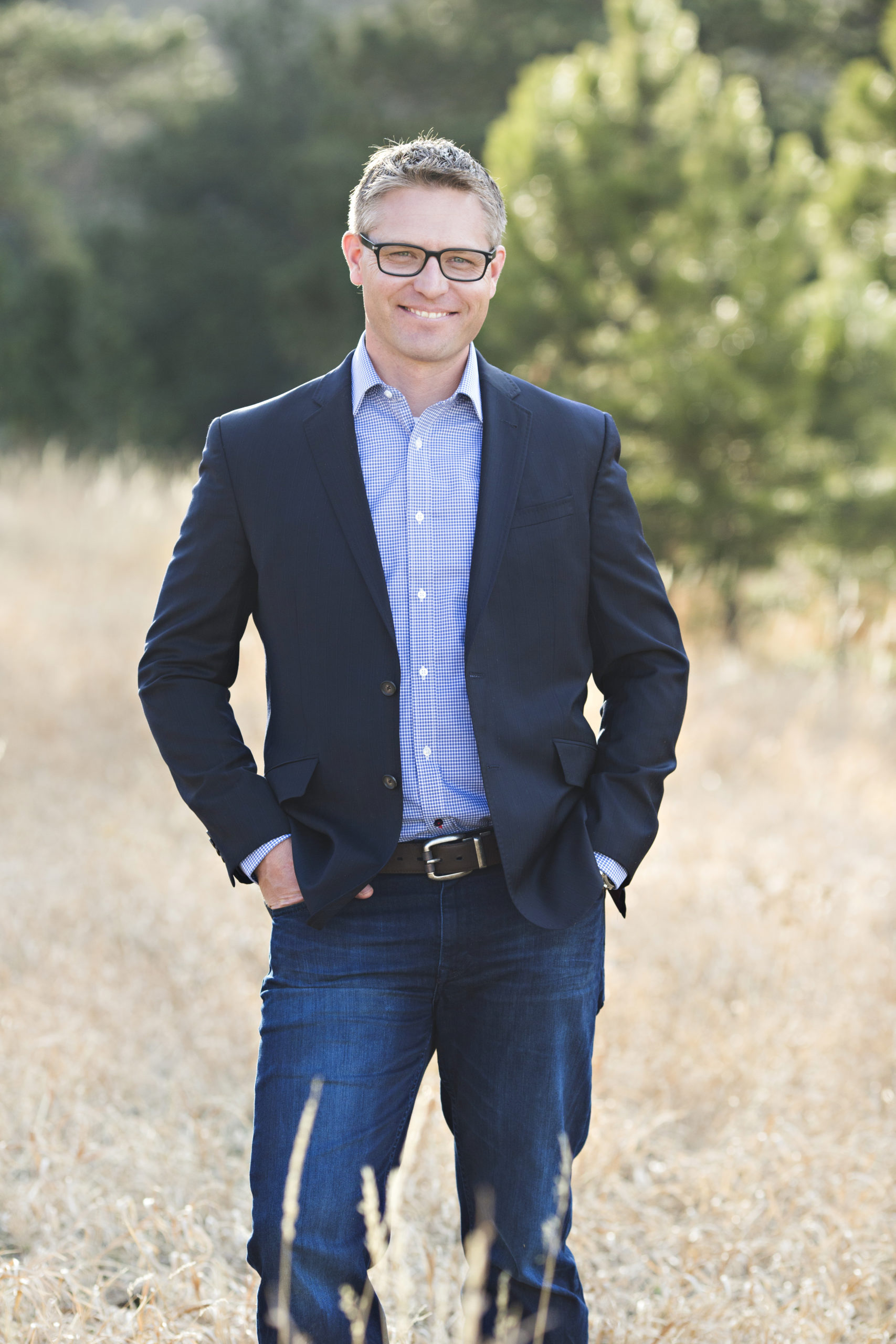
Jeff Hoffmeyer is a pastor and theologian living in Boulder, Colorado. He is currently serving as VP for Advancement and Theologian-in-Residence for Denver Institute for Faith and Work. He has led small, medium, and large churches in both Colorado and California. Jeff earned his PhD in Systematic and Philosophical Theology from the Graduate Theological Union; his dissertation was on the doctrine of atonement as constructed by the Catholic twentieth-century theologian Hans Urs von Balthasar. He and his wife, Heather, an OB/GYN physician, have two children. Jeff loves all things true, good, and beautiful, including the church, fly fishing, craft cocktails, Bruce Springsteen, and Wendell Berry. His podcast, Teach Us to Pray, explores the convergence of Scripture, prayer, and culture.
Learn More and Connect with an Admissions Counselor

Chat with an Admissions representative
Office Hours
Monday – Friday
8 am – 5 pm (Pacific Time)
To view in-person welcome center hours for Pasadena, Arizona and Houston, click here.