
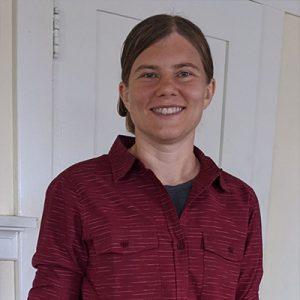
About Cara
I am a scholar practitioner with two decades worth of missional experience working at the intersection of biblical theology and children-at-risk studies in impoverished areas from within the academy, the foster system, public school environments, the non-profit sector, and the church. My specialty areas include mission to, for, and with children-at-risk, child theology, trauma studies, ecclesiology, peace and reconciliation studies, and Paul’s letters, particularly Galatians and Philemon. Throughout my work, my primary thesis is that when healthy churches wrap-around children-at-risk relationally just as engaged family members might, children experience the nurture of supportive relationships that can help those children move towards a life of wholeness and abundance.
Education
Anabaptist Mennonite Biblical Seminary
2010
Mater of Arts Theological Studies: Biblical Studies
Malone University
2006
Bachelor of Arts: Bible and Theology
Research Interests
Children-at-Risk, Biblical Theology, Pauline Epistles, Ecclesiology, Trauma Studies
Publications
Pfeiffer, Cara L. Forthcoming. “Engaging the World with Children: Centering Children’s Voices in Multigenerational Community Service Learning Projects.” In A Child’s Way, edited by Henry Zonio. InterVarsity Press.
Pfeiffer, Cara L. 2023a. “Church as Family: Creating Healing and Transformative Spaces for Children at Risk through a Reimagining of Ecclesiology.” Mission Studies 40 (2): 231–54. https://doi.org/10.1163/15733831-12341912.
2023
Pfeiffer, Cara L. 2012. “Healing and the Holy Spirit: A Manifestation of the ‘already, but Not yet’ Kingdom of God.” Vision: A Journal for Church and Theology 13 (1): 48–55.
2012
Pfeiffer, Cara L. 2011. “The Contour Methodology: Teaching the Bible in the Digital Age.” Conversations with the Biblical World 31: 204–16.
2011
Pfeiffer, Cara L. 2010. “The Contour Methodology: Mediating Scripture in the Digital Age.” Master’s Thesis, Associated Mennonite Biblical Seminary.
2010
Fuller Seminary hosts these profiles as a courtesy to our doctoral students. Their views are their own and do not necessary reflect the views of the seminary.