
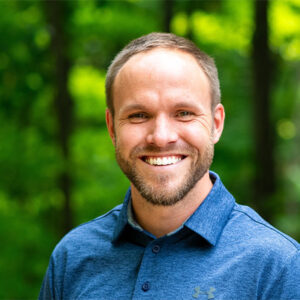
Faculty Mentor
About Cody
Cody is an ordained minister in the Christian Reformed Church serving as the pastor of Westview Christian Reformed Church in Grand Rapids, MI. His research explores where and how discipleship ought to be situated within Kuyperian theology while developing key doctrines for formation in the life of a follower of Christ, from conversion (or Palengensis, to use Kuyper’s language) to a well-formed imitator of Christ in each unique sphere of life.
Education
Gordon-Conwell Theological Seminary; Calvin Theological Seminary
2016
MDiv; ThM
Grand Valley State University
Bachelor of Business Administration (BBA)
Research Interests
Abraham Kuyper, Public Theology, Neo-Calvinism, Discipleship
Publications
“Abraham Kuyper’s Approach to Scripture for Laborers: Considerations for Public Theologians.”
September 2025. Presentation at the Global Network of Public Theologians, Fuller Theological Seminary.
“Kuyper, Bonhoeffer, and the ‘Creation’ of Christian Ethics: An Ethical Exposition of Genesis 1-3.”
May 2025. Sao Paulo, Brazil. Presentation at A Public Gospel: Evangelicals, Neo-Calvinists, and Society Conference.
Abraham Kuyper (1837-1920) and Dietrich Bonhoeffer (1906-1945) are two of the most enduring Christian voices from the late nineteenth and early twentieth century and have had a profound impact on contemporary Christian life and practice. To get at the heart of theological ethics and the foundation of moral value for these two scholars, this study examines the way they exposit Genesis 1-3 in their writing. This paper draws primarily from Bonhoeffer’s Ethics and Creation and Fall in dialogue with selected texts from Abraham Kuyper Collected Works in Public Theology to establish shared themes that are essential in developing their ethical and theological frameworks. In light of their work, the themes of community, obedience, grace or preservation, and freedom are explored as integrative paradigms to understand, evaluate, and apply theological ethics.
Fuller Seminary hosts these profiles as a courtesy to our doctoral students. Their views are their own and do not necessary reflect the views of the seminary.