
Global Psychology and Well-Being
Rachel Sing-Kiat Ting, PhD
Office
Fuller Theological Seminary
10200 Richmond Ave, Ste 100
Houston, TX 77042
MISSION
This international lab welcomes early-career researchers and students who are interested in conducting culturally grounded research on well-being among marginalized populations (e.g., Indigenous peoples, ethnic minorities) around the world. We aim to empower international psychologists and students to pursue culturally relevant research agendas that benefit local marginalized communities and promote equity in global psychology.
Indigenous perspectives are prioritized when examining local well-being (including mental health) issues, and a cross-disciplinary, systemic approach (e.g., anthropology, public health, religious studies) is employed to conceptualize society-specific forms of distress as well as healing factors related to human suffering. Ultimately, the lab seeks to integrate traditional wisdom (e.g., spirituality) with psychological science to enhance communal healing among underrepresented populations.
PROJECT
Southeast Asia Indigenous Psychology Network (2021–Present)
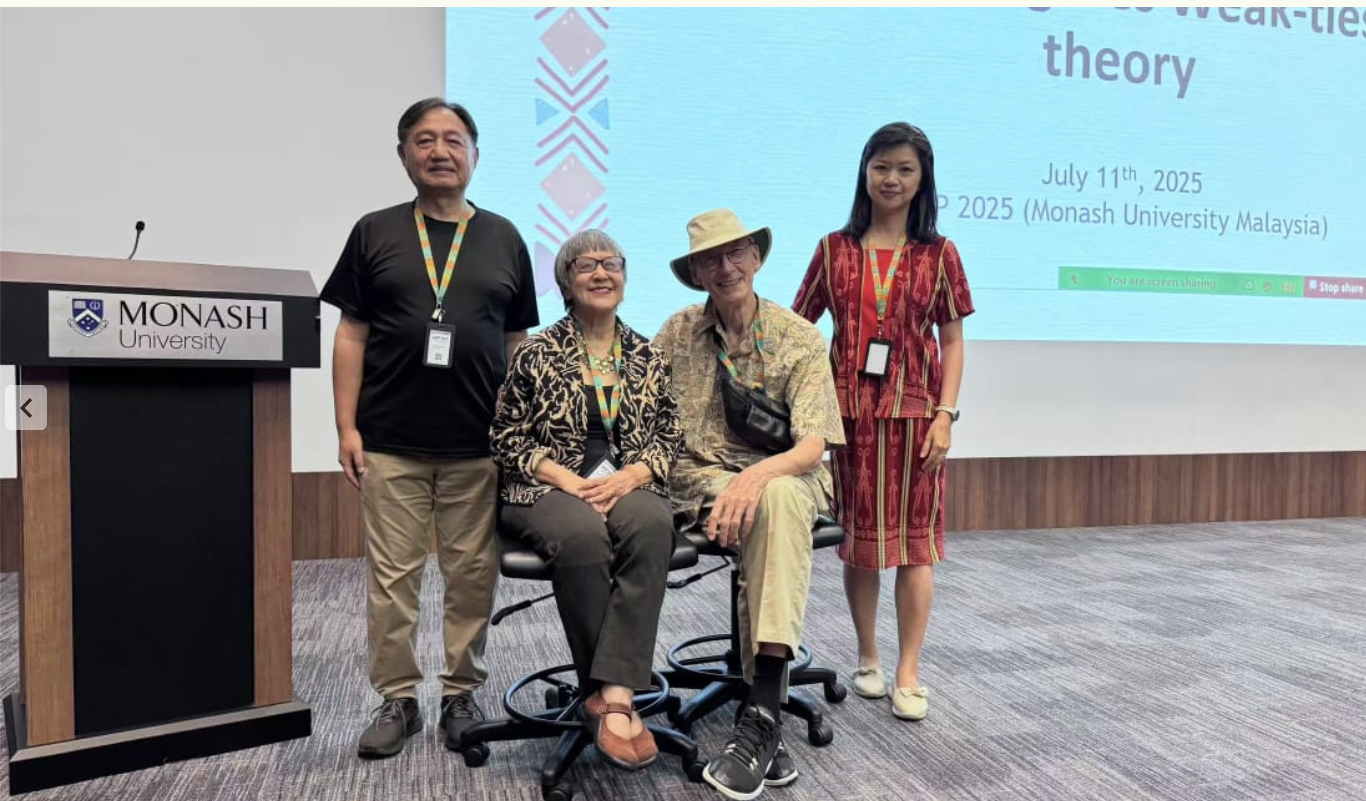
Dr. Ting founded this network in 2021 to advance the scientific study of Southeast Asian psychology through an Indigenous psychology perspective. In collaboration with network members across the region, she organizes annual conferences and oversees seed grant initiatives that promote regional research collaboration.
PROJECT
Cross-Indigenous Approach to Cultural Confidence
As a mentor to six early-career researchers and students, Dr. Ting supervises a collaborative exploration of the concept of cultural confidence across six Asian countries (China, Vietnam, Malaysia, Indonesia, India, and the Philippines). Using a bottom-up qualitative methodology, the team seeks to articulate culturally grounded understandings between cultural identity and well-being. They are currently preparing grant applications to support further research.
PROJECT
Developing a Contextualized Clinical Supervision Model in the Maldives
As a consultant to the World Health Organization (WHO), Dr. Ting is developing and implementing a culturally responsive clinical supervision model in the Maldives (2025–2026). In partnership with the Maldives National University, she is conducting a needs assessment using mixed methods and evaluating the model’s efficacy within the local context.
PROJECT
HIV Perception and Stigma Among Yi Minorities in China
Since 2017, Dr. Ting has collaborated with Yi scholars in Sichuan, China, to examine HIV-related perceptions and stigma among Yi minority communities. Drawing on both quantitative and qualitative data, the project aims to inform culturally sensitive interventions. Current efforts focus on disseminating findings through peer-reviewed publications and securing funding to develop a culturally responsive HIV education program.
PROJECT
Indigenous Peoples in Malaysia
Since 2020, Dr. Ting has worked with Orang Asli (Indigenous) communities in rural resettlements of Western Malaysia to document experiences of suffering and traditional healing practices. She plans to expand this research to Borneo Island (East Malaysia), where Indigenous populations constitute the majority, through future grant-supported collaborations.
SELECTED PUBLICATIONS
1. Ting, R. S. K., Lee, B. W., & Thong, J. A. (2025). Beyond the Lab – Proposing an Indigenous Psychologies Research Paradigm. Social and Personality Psychology Compass, 19, e70053. https://doi.org/10.1111/spc3.70053
2. Ting, R. S. K., Ansloos, J., Lee, B. W., Gone, J. P. & Kirmayer, L. (2025). Decolonizing mental health practice through traditional healing frameworks: Insights from Canada, China, Singapore, and the United States. The American Psychologist, 80(4), 630–642. https://doi.org/10.1037/amp0001386
3. Ting, R. S. K., Zahari, H., Ang, C. W., Chan, J. K., Tan, M. M., & Su, T. T. (2024). Development and validation of a digital community-based mental health protocol (RELATE-ME) in Malaysia. Health Promotion International, 40 (2), daae169. https://doi.org/10.1093/heapro/daae169
4. Ting, R. S. K., Lee, B.-O., Perez, M. J. N., Muhiddin, S., Liem, A., Balmores-Paulino, R., Cleofe, M. P., Gallardo, M. T. B., & Jones, L. (2024). A meeting report from SEAIP-2023: Priorities and strategies. Asian Journal of Social Psychology, 27 (4), 1025-1028. https://doi.org/10.1111/ajsp.12635
5. Ting, R. S. K., Zay Hta, M. K., Yeh, K. H., Ng, V. H. C. Liu, C., Xie, Z. Y., Chen, Y. F., & Sundararajan, L. (2023). Mapping Culture and Rationality across Four Countries: Expanding the Conceptual Horizons of Strong-Ties and Weak-Ties Rationality. The Humanistic Psychologist, 52(4), 392–413. https://doi.org/10.1037/hum0000339
6. Ting, R. S. K. & Thong, J. A. (2024). Do not pluck that flower: The forest and cultural identity for the hunter-gatherer tribe (Temiars) of Malaysia. In Sundararajan, L., & Dueck, A. (Eds). Values and Indigenous Psychology in the Age of the Machine and Market: When the Gods Have Fled. Palgrave Studies in Indigenous Psychology book series by Palgrave MacMillan Publication (Springerlinks). Chapter 12, 225-244. https://link.springer.com/book/9783031531958
PEOPLE
Faculty
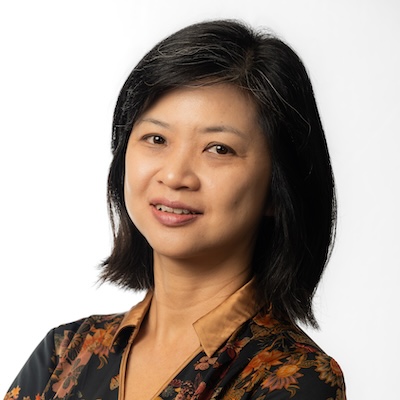
Rachel Sing-Kiat Ting
Professor of Clinical Psychology
BS, NATIONAL CHUNG CHENG UNIVERSITY, TAIWAN
MA, WHEATON COLLEGE
MAT, FULLER SEMINARY
PHD, FULLER SEMINARY
Students
To be updated. Students are welcome to email Dr. Ting if they are interested in being a part of this international lab.

Contact Us
phone: 626.584.5544
email: [email protected]
Staff
Nicole DeCamp
Research and Grant Administrator
[email protected]
Address
180 N Oakland Ave
Pasadena, CA 91101