

Doctor of Ministry Cohort
Decolonizing Christian Witness
Summer 2027
Application Deadline: May 7, 2027
Overview
The chief task of Christian congregations is to participate in the redemptive and liberating presence of God’s love by bearing witness to the gospel of Jesus Christ as a sign, instrument, and foretaste of the divine reign. Tragically, the historical emergence of Christendom served to distort the dominant forms of witness in the church into an enterprise shaped more by the assumptions and intuitions of Empire and colonization rather than the proclamation and teaching of Jesus.
This cohort will explore the process of decolonizing Christian witness through reimagined forms of congregational leadership and formation, focusing on the renewal of three core practices of Christian faith: discipleship, evangelism, and worship. The work of the cohort will subject the common forms and assumptions of these practices to critical scrutiny and involve the substantial reform and renewal of each of them in the aftermath of Christendom, colonialization, modernity, and white supremacy.
The goal of decolonizing discipleship, evangelism, and worship is for the witness of communities that practice these reimagined forms of Christian faith to be more faithful to the reign of God proclaimed by Jesus.
Schedule
Year One: Decolonizing Discipleship (16 units)
Summer (June–Sept) 2027: Reading and Seminar (6 units, online with in-person intensive in Pasadena, July 12-16, 2027)
Fall (Sept–Dec) 2027: Doctoral Research (4 units, online)
Winter (Jan–March) 2028: Integration (6 units, online)
The first year introduces the central ideas of a decolonizing theology in keeping with the purposes of God and the calling of the church, with particular attention to the practice of discipleship. The cohort will subject common assumptions and models of discipleship to critical scrutiny in light of the witness of Scripture and propose alternative models more in keeping with the liberating message of Jesus. Individualistic approaches growing out of contractual political theory will be of particular concern. The cohort will explore alternative conceptions of discipleship that move beyond these individualistic models and more faithfully connect discipleship to the purposes of God in particular times, places, and contexts.
Year Two: Decolonizing Evangelism (16 units)
Summer (June–Sept) 2028: Reading and Seminar (6 units, online with in-person intensive in Pasadena, July 10-14, 2028)
Fall (Sept–Dec) 2028: Doctoral Research (4 units, online)
Winter (Jan–March) 2029: Integration (6 units, online)
The second year builds on the first and applies the ideas of a decolonizing theology to the practice of evangelism. The cohort will examine and critically scrutinize common notions of evangelism built around the proclamation of a set of ideas that are largely matters of belief. We will expand the practice of evangelism to include the church’s public witness through doing grassroots social and economic justice as well as proclaiming truly good news. In conjunction with reimagining the practice of evangelism, we will consider the meaning of salvation biblically and theologically as well as giving attention to the role of local congregational activism in the work of establishing God’s purposes for creation.
Year Three: Decolonizing Worship (16 units)
Summer (June–Sept) 2029: Reading and Seminar (6 units, online with in-person intensive in Pasadena, July 9-13, 2029)
Fall (Sept–Dec) 2029: Integration (4 units, online)
Winter (Jan–March) 2030: Doctoral Project Writing (4 units, online)
The third year builds on the first two and applies the ideas of a decolonizing theology to the practice of worship. The cohort will examine and critically scrutinize common notions of worship and its role in the life and witness of the church. Attention will be given to the ways in which particular patterns and practices of worship can promote colonization. In response to these common patterns and practices, the cohort will reimagine worship as an integral expression of the vocation of the church rather than as a discrete activity separate from that calling. We will explore alternative approaches to the decolonization of worship and offer liturgical practices in support of these models.
Instructors
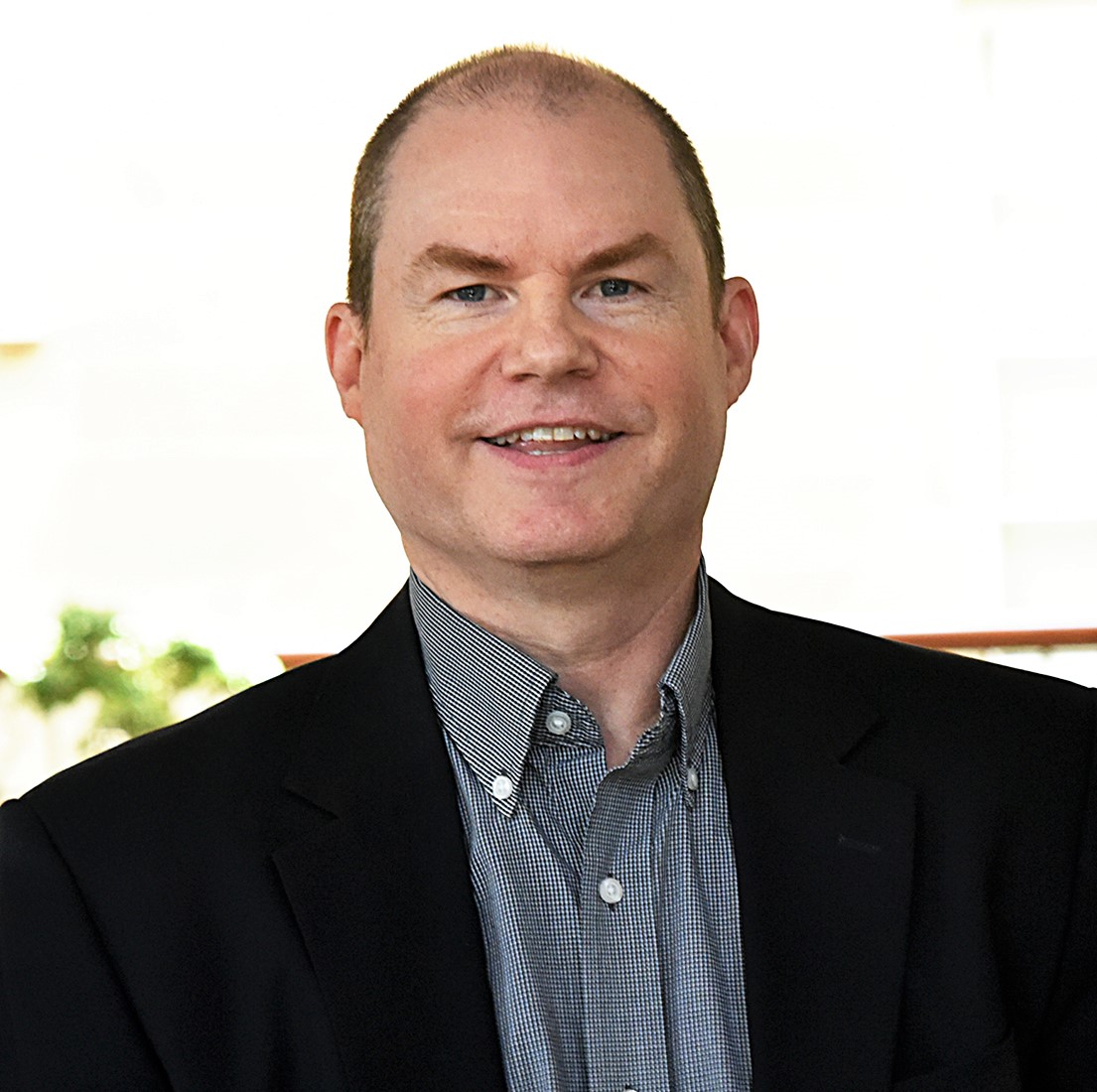
John R. Franke is theologian in residence at Georgetown Presbyterian Church in Washington, DC; affiliate professor of theology at Fuller Theological Seminary; and executive director for the Gospel and Our Culture Network in North America. He earned his doctoral degree from the University of Oxford and has worked at seminaries and churches for over 30 years. Dr. Franke is the author of numerous books, including Manifold Witness: The Plurality of Truth (Abingdon), Missional Theology: An Introduction (Baker Academic), and Liberating Scripture: An Invitation to Missional Hermeneutics (Cascade) with Michael Barram, as well as more than a hundred articles, reviews, and book chapters. His work has been translated into eight languages and he is the editor of three academic book series connected with missiology and missional theology. A sought-after speaker, Franke has lectured throughout the U.S. and around the world.
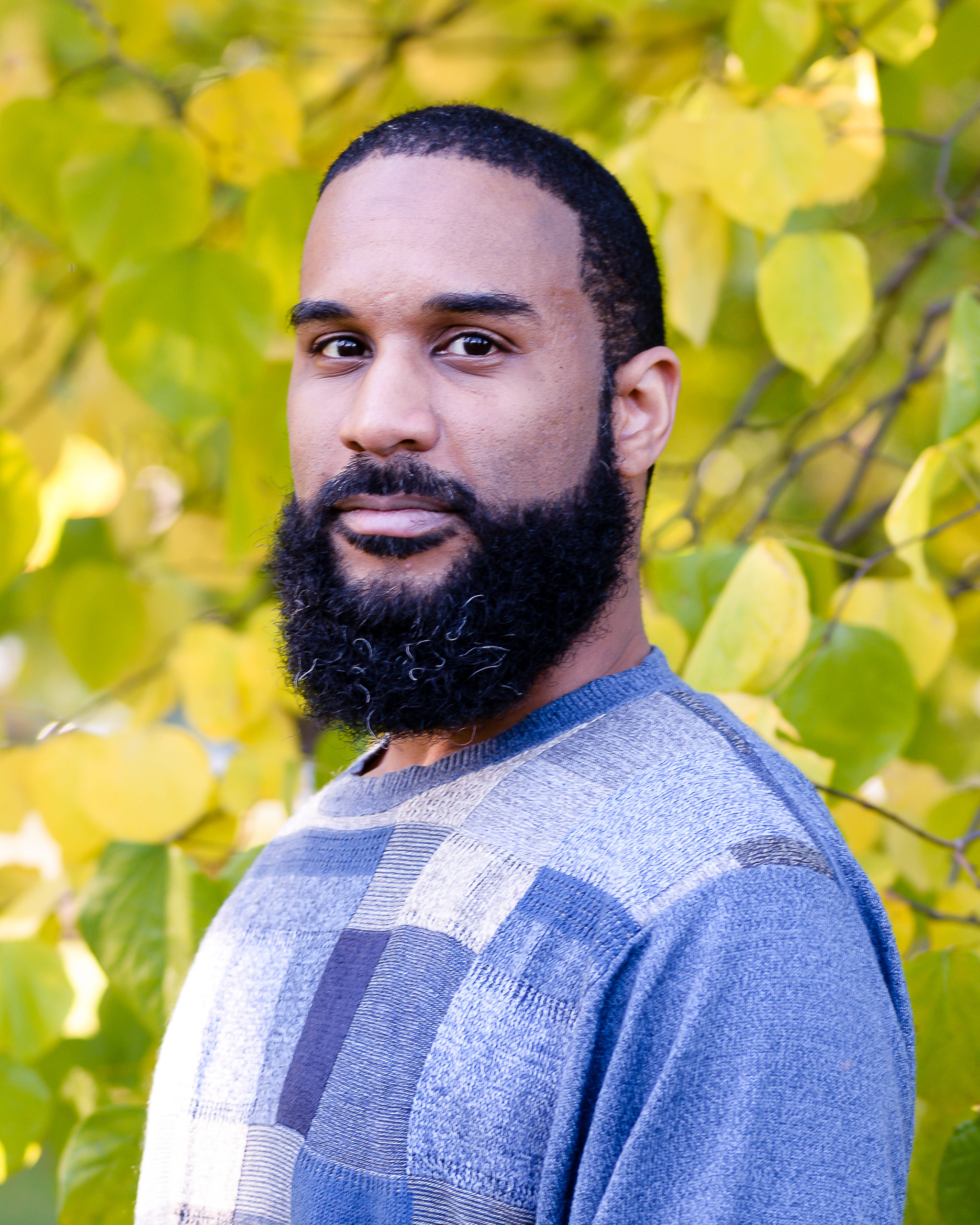
Drew G. I. Hart is associate professor of theology at Messiah University and has 10 years of pastoral experience. He is director of Messiah University’s Thriving Together: Congregations for Racial Justice program and co-host of the Inverse podcast. In his research, writing, and public speaking, Hart explores antiracist and decolonizing Christian practice, Black theology, Anabaptism, the mangled history and witness of western Christianity and colonialism, and the practice of nonviolent resistance and social change. Hart is the author of Trouble I've Seen: Changing the Way the Church Views Racism; Who Will Be A Witness? Igniting Activism for God’s Justice, Love, and Deliverance; and Making It Plain: Why We NEED Anabaptism and the Black Church. He was the recipient of bcm PEACE’s 2017 Peacemaker Award, the 2019 W.E.B. Du Bois Award in Harrisburg, PA, and was Elizabethtown College’s 2019 Peace Fellow.
Learn More and Connect with an Admissions Counselor

Chat with an Admissions representative
Office Hours
Monday – Friday
8 am – 5 pm (Pacific Time)
To view in-person welcome center hours for Pasadena, Arizona and Houston, click here.