The Future of Fuller
Our world, and Fuller Seminary’s place in it, is at a historic moment of disruption and opportunity. A group of key leaders from across the institution have spent the past six months refining Fuller’s strategic plan. In it we rethink our institutional structure, program offerings and resources, and crucial partnerships in order to revitalize our vision of forming global leaders for kingdom vocations in the 21st century. Continue to visit this page for updated information about changes at Fuller and the opportunities that await us in the coming season.
The Strategic Plan
The strategic plan will serve as a roadmap to a new season of flourishing for Fuller Seminary and identifies key areas where strategic investment and change for the immediate future must be made. Born of an enduring passion for our historic mission and the urgent need to adapt ourselves to meet a changing church and world, Fuller’s strategic plan is the fruit of an extensive collaborative process of discernment, refinement, and implementation.
Aligning Faculty Around a Strategic Vision
Strategic Plan
2020–2022
INTRODUCTION
This document was presented to the Board of Trustees for its review, refinement, and adoption in January 2020. Intended to serve as a roadmap to a new season of flourishing for Fuller Seminary, it is not meant to identify everything that is important to the life of Fuller, but rather key areas where strategic investment and change for the immediate future must be made. Areas of Fuller’s ongoing life—including such things as our reputation for serious scholarship, our innovations in psychology, our robust alumni, our loyal and hardworking managers and staff, and our committed Board of Trustees—are deeply intertwined in the success of all the priorities.
Born of an enduring passion for our historic mission and the urgent need to adapt ourselves to meet a changing church and world, the plan outlined here is the fruit of an extensive collaborative process of discernment.
PROCESS
At its retreat in January 2019, the Board of Trustees commissioned the administration to develop a formal strategic plan, based on the work of the Future of Fuller group and additional insight and input from the trustees and other key stakeholders. At the time, the trustees had already decided and planned—with critical input from administrators and staff—a campus move to Pomona, California, as part of a comprehensive financial and programmatic reset for the seminary. As originally conceived, the strategic plan would have helped define the elements necessary to achieve that reset for sustainability and thriving.
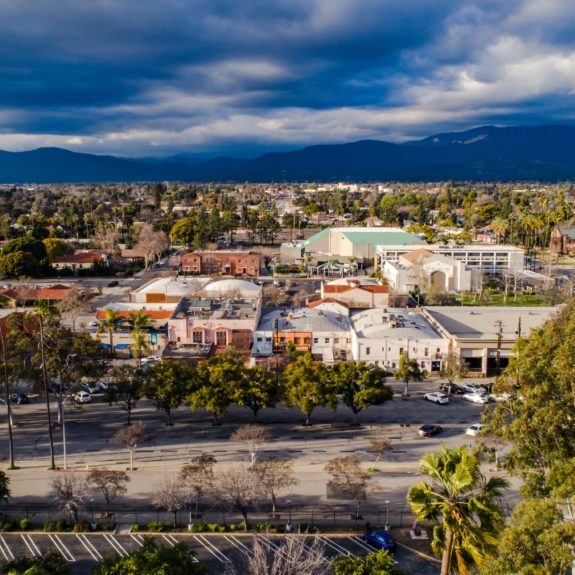
When it became clear late in the summer of 2019 that this move was in jeopardy—and when the board subsequently decided in October that the seminary would need to remain in Pasadena—strategic planning efforts had to adjust accordingly. With a commitment to retain Fuller’s historic campus home in Pasadena, efforts shifted to discerning a revised model for Fuller’s strategic development over the next critical years, but still focused on sustainability and thriving.
The Strategic Plan Steering Committee was composed of trustees, division leaders, faculty from each school, senior administrators, and select staff and student representation. Those members included: Kevin Chan, Mark Labberton, Ray Asad, Brent Assink, Tod Bolsinger, Mari Clements, Ted Cosse, Amos Yong, Alexis Abernethy, Scott Cormode, Lauralee Farrer, Marcus Sun, Oscar García-Johnson, Martha Hunyadi, Cameron Lee, Kara Powell, Britt Vaughan, René Velarde, and Wilmer Villacorta.
The trustees also appointed from its board a Strategic Development Task Force comprised of Dan Meyer, Cliff Penner, Dave Beré, Kathy Drake, Jimmy Mellado, Larry Smith, and Danny Villanueva, who were able to provide periodic consulting support to Fuller’s day-to-day leaders.
Theresa Edy-Kiene convened and facilitated the early months of this process in her role as vice president of strategic planning and change management. After her departure in August 2019, Greg Hawkins and Mike Bonem (already serving as external consultants and advisors to our committee) then became the facilitators of our strategic planning process.
CONTEXT
Our Intersections
Fuller Theological Seminary lives our vocation at the intersection of the gospel, academy, church, and culture.
Pasadena, Houston, and Phoenix are cities that define our residential campus intersections. Our home in Pasadena, adjacent to Los Angeles and Hollywood, bordering Mexico and the Pacific Rim, invites us to engage many cultures. Houston, the most racially diverse major city in the United States, presents its own distinct intersections for our presence there: a strong Texan and South American influence; its location on the Gulf of Mexico; its warm, innovative, and risk-taking culture; and its proximity to the heartland of America and to cultures and churches of the American South. Fuller’s Phoenix campus places us in a rapidly changing generational, social, racial, and economic context within one of the six largest cities in America.
New intersections are rapidly opening as online degree students join us across the country and around the world, able to stay in their home contexts while Fuller provides technological accessibility with excellence. In partnership with these students, we intend a Fuller education that is marked by Christian community, critical thinking, racial and social diversity, and practical training. In addition, our new online leadership platform learners tap into non-degreed resources, drawing Fuller into yet more contexts where learning forms leaders in the love, truth, and justice of Jesus Christ. Having thousands of students and learners from 76 countries and 114 denominations sometimes gives us the feeling that Fuller is everywhere. Expanding that encouraging impression even more is our base of 44,000 alumni and former students spread throughout the world.
Culturally, theologically, and spiritually, Fuller also stands in the context of US and global evangelicalism. This theological term was a way that Fuller initially distinguished itself from being either theologically fundamentalist or liberal. It was that evangelical centeredness in Jesus Christ that eventually led to wholehearted affirmation of women in ministry and, later, to describing the Bible’s authority as “infallible.” At this current moment in the United States, “evangelical” is often assumed to lean fundamentalist—both theologically and politically. Fuller continues to affirm our evangelical distinctives while distinguishing ourselves from this political-evangelical roiling. We believe Jesus Christ alone is the one who grounds Fuller’s formational education amid the joyful and difficult intersections of our lives.
Fuller spans a wide racial spectrum at a time when race is more on the common agenda than it has been since the civil rights movement. We worship the God whose death and resurrection creates a “new humanity” of unlike people for a new communion in Christ. As demographics change and failures of the past are confronted, the unexpected union of God’s people is meant to be the strongest apologetic for the gospel’s validity—and the context where the gospel can show its greatest power. This time of national and global division makes our obedience to Jesus’ intention more urgent than ever.
Our Resets
The church, too, is in a season of redefinition and reorganization. The decline and breakup of mainline denominations in North America is a well-documented trend. The splintering of congregations and denominations over generational differences, human sexuality debates, racial histories and attitudes, sociopolitical tensions, and more, is pervasive. The estimated loss each year of nearly a million teenagers and young adults from church involvement is a most disturbing decline.
New iterations of church in the United States––by immigrants and by those in church planting, for example––lead toward new instincts about what constitutes “church.” Many thirst for smaller gatherings that are focused on genuine community, relational authenticity, intimate worship, and a gospel that leads to ordinary practices of faith, love, and justice.
Churches are continuing to change elsewhere in the world as well. While the explosive growth of churches in some parts of the Global South and Asia is tapering, elsewhere church growth is surging. Pentecostal influence, some of it tied to a prosperity gospel, has been great. Happily sustaining enormous growth pains, church movements and denominations are increasingly aware of an acute need for trained, educated leaders and pastors. Dependence on Western patterns is significantly giving way to welcome co-equal voices and partnerships of the future. Fuller is committed to this global church, first to listen and learn from the life of the church around the world, and then to provide—together—the training and education that future church will need.
Outstanding faculty, a commitment to maturing disciples as students and learners, and the gifts of centers for innovation (e.g., within the Brehm Center for Worship, Theology, and the Arts) all distinguish Fuller. The launch of the Fuller Leadership Platform gives us an even more flexible, responsive, and practical opportunity to serve thousands who may have no need for an academic degree but who are eager for aspects of Fuller’s formational education. Early experiments by and responses to the platform have already expanded our vision for the ways we might serve individuals, churches, practitioners, and movements.
A Fuller degree or certificate should be validation that learners and graduates have demonstrated a growing capacity to discern critical signposts of God’s work. They should go on to serve people in varying circumstances or those in danger of systemic injustice, of addiction, of impending divorce, of depression, of institutional racism, of soul-breaking poverty or violence, of burnout, of self-medicated fear, of breaks in community trust, of spiritual malaise, of power abuse, of gentrification, of narcissism. Society’s response to many of these issues and problems does not reflect the compassion, seriousness, or persistence required to make the difference promised by the way of Jesus. Fuller will equip our students, learners, and alumni to be witnesses to God’s shalom in the midst of all this need.
American individualism has its strengths, but in the face of staggering systemic needs communal strength will be essential moving forward. Faithful ministry at the complex intersections of life and work, of culture and church, requires the capacity for collaboration. Community embodiment, far more than individual leadership by itself, is the way forward. Fuller has had a healthier conviction than we have been able to enact. The signposts around us today cry for evidence of a living, diverse community of faith in action. We are freshly convinced that our partnerships with the global and local body of Christ must reflect the personal and communal gospel that we hunger for now and in the era ahead.
Our Velocities
Jesus’ followers are not called into a frantic life but into a grounded and responsive one, rooted in the love and rest of God. This means that Fuller’s formational education must shape therapists, pastors, mission leaders, activists, artists, and advocates in part through practices of contemplation and thoughtfulness. However, when over 40 percent of our students work full-time, velocity more than discipleship threatens to subvert formation. A more plentiful supply of scholarship funds are essential to interrupt this cycle. A Fuller education must be transformative to the student and learner so they can become agents who, in turn, help transform the lives of others and also broken systems. Intentional discipleship formation and greater scholarship resources are a key combination we seek for the sake of our students.
We know human life is continuously speeding up because of the underlying, sometimes dominating, influences of technology. Speed, however, is not what produces the wisdom and skills required by a maturing Christian life. Love, wisdom, community, and character—all essential for ministry—are formed in patience.
Fuller embraces the benefits of technology while holding tight to our commitment to personal and public formation. The gospel calls us into the long journey of demonstrating Christ’s incarnational love with a renewed mind and a life of righteousness, grounded in the Scripture and in careful study.
Many around the globe are overwhelmed by the speed of economic development, demographic change, religious pluralism, political distress, violence, racial diversity, church growth and upheaval. No wonder there is a global and national mental health crisis across all generations—especially among youth and young adults.
Fuller’s three schools engage all these issues, creating an exceptional context for the formational education of pastors, leaders, practitioners, and scholars. With them, Fuller leans into the future, guided by the one who holds the future and who has shown us what has eternal value. Consequently, Fuller is confidently at its best being responsive to change while rooted in Christian orthodoxy. We are committed to ongoing deep and responsive change as we seek to serve people, churches, and movements of God’s grace in the United States and around the world.
FULLER’S FUTURE
Fuller’s commitment to the gospel of Jesus Christ motivates us in the formation of disciples, leaders, practitioners, pastors, and scholars. A Fuller education offers insight from our three distinct schools of theology, psychology, and intercultural studies for a richly orbed educational experience. Unique among seminaries, this integration fosters the complex learning environment for which Fuller is known, preparing people for ministry in highly varied contexts. Through ever-deepening partnerships with the global and local body of Christ, we seek to form diverse men and women who contribute to the forming of healthy people, thriving congregations, and transformative movements.
CRITICAL QUESTIONS
To put Fuller’s vision and unique contribution in plain terms, it helps to pose the following questions:
WHY is Fuller here?
Because we are committed to form people who think, love, and lead in imitation of Jesus Christ in order to serve in countless contexts where rigorous thinking, tangible love, and transformative leadership are urgently needed.
WHAT does Fuller do distinctively?
As a multidenominational, multiracial, and international institution, we provide formational teaching, practice, research, and resourcing that integrates theological, psychological, and intercultural wisdom for degree-seeking students and a wide variety of non-degree learners, through face-to-face and online communities filled with truth and grace.
WHO is Fuller primarily committed to forming?
While Fuller draws people from many cultural backgrounds and a variety of interests, through our curricular design and our scholarship support we prioritize these men and women urgently needed to serve God’s mission in the world:
Through our DOCTORAL PROGRAMS we shape:
Scholars/teachers/resource creators dedicated to discerning and disseminating uncommon wisdom from the theological, psychological, and intercultural fields
Practitioners with the knowledge and skills needed to help individuals, families, and communities move toward greater spiritual and mental health
Through our MASTER’S PROGRAMS we shape:
Pastors and ministry leaders with the theological vision, spiritual/emotional health, and leadership skills required to build disciples and thriving churches
Marriage and family therapists with the heart, skills, and experience necessary to serve the varying dynamics of marital and family life
Individual and organizational leaders with the clarity of calling, spiritual/emotional health, and practical skills needed to foster transformative kingdom movements
Through our LEADERSHIP PLATFORM and CENTERS we shape:
Everyday disciples with the spiritual formation and/or leadership equipping needed to expand their Christian influence in the spheres where they are embedded
Missional leaders who see and engage the world with the spiritual formation and leadership insight required to lead the necessary innovation and change being sought
WHO is Fuller committed to partnering with?
With persons, congregations, organizations, and movements of God’s global family and beyond
EXECUTIVE SUMMARY OF PRIORITIES
After extensive analysis, prayer, reflection, and dialogue we feel led to pursue the following strategic priorities over the next three years:
- We will identify, form, and learn from mutually beneficial STRATEGIC RELATIONSHIPS AND PARTNERSHIPS within the global body of Christ to better serve God’s mission in the world.
- We will build an engaged, resourced, and diverse STUDENT BODY to strengthen our enrollment and enhance the effectiveness of our educational mission.
- We will accelerate the development of resources to double the number of LEARNERS engaged with Fuller’s research and formation in seven years in order to form more of the disciples, leaders, churches, and movements the world needs.
- We will develop a strategically aligned, diverse, and supported FACULTY to focus on achieving the curricular objectives of this strategic plan.
- We will create and implement a FINANCIAL MODEL to achieve greater missional impact and fiscal sustainability.
- We will conduct a major FUNDRAISING CAMPAIGN to engage alumni, existing supporters, and new donors in advancing the life-changing objectives of our strategic plan.
In every facet of this strategic plan, Fuller is committed to the increased racial, ethnic, and gender diversity of staff, administrators, trustees, faculty, senior leadership, and donors. In addition, we are working toward greater inclusion of perspectives of racial, ethnic, and gender diversity at the core of our curriculum, and deepened strategic engagement with leaders representing the full range of diversity in the Lord’s church. To this we are committed for the sake of advancing our leadership formation work where the church is experiencing its greatest growth and for the sake of God’s call to justice.
ACTION PLANS
The following plans describe the rationale, leadership, measurable outcomes, and specific, time-bound actions necessary to catalyze movement toward our vision.
Partnering With Others
PRIORITY A: We will identify, form, and learn from mutually beneficial STRATEGIC RELATIONSHIPS AND PARTNERSHIPS within the global body of Christ
To transform how we listen and respond to the needs of the global body of Christ, we will form, nurture, and regularly evaluate mutually beneficial relationships and partnerships with both ecclesiastical and secular organizations and individuals.
Owners: Ted Cosse, Amos Yong, and Tod Bolsinger
Three-Year Measurable Outcomes
A prioritized list of partnerships deemed critical to implementing Fuller’s strategy, reflecting Fuller’s commitment to racial, ethnic, and gender diversity; with a Fuller sponsor assigned to and responsible for each strategic partnership.
Formal partnership agreements in place with each strategic partnership. Each agreement includes mechanisms for listening and learning and a process to evaluate the value of the partnership.
75 percent of our strategic partners report their organizations have significantly benefited from their relationship with Fuller and, reciprocally, Fuller realizes measurable economic, relational, and/or operational benefits from 75 percent of its strategic partnerships.
Key Next Steps
Survey/meet with Fuller faculty and staff to understand and document existing partnerships and ideas for new partnerships.
Responsible person: Ted Cosse, Amos Yong, Tod Bolsinger
By: September 2020
Develop a rubric and use it to prioritize the list of existing partnerships.
Responsible person: Ted Cosse, Amos Yong, Tod Bolsinger
By: September 2020
Assign a Fuller sponsor to each strategic partnership, along with a clear set of expectations.
Responsible person: Ted Cosse, Amos Yong, Tod Bolsinger
By: September 2020
Develop partnership agreements with each strategic partner.
Responsible person: Ted Cosse, Amos Yong, Tod Bolsinger
By: December 2020
Periodically assess, with the partner, the value provided by the relationship and make recommendations to continue, modify, or discontinue.
Responsible person: Ted Cosse, Amos Yong, Tod Bolsinger
By: First Assessment by December 2021
Provide access to, and disseminate relevant information from, strategic partners to appropriate stakeholders within Fuller to enable more effective listening and learning.
Responsible person: Ted Cosse, Amos Yong, Tod Bolsinger
By: Quarterly, beginning January 2021
Identify, develop, prioritize, and implement new potential partnerships, particularly those in areas that represent new growth or learning opportunities.
Responsible person: Ted Cosse, Amos Yong, Tod Bolsinger
By: January 2021 and ongoing
Prioritizing Students
PRIORITY B: We will build an engaged, resourced, and diverse STUDENT BODY
In order to be missionally effective and financially sustainable, Fuller will attract and retain a highly motivated, highly engaged, and diverse student body that is supported by the relational connections and academic resources required for student success. We seek to align institutional resources in support of a new Strategic Enrollment Management Plan with measurable goals for each degree program that provide for an elevated student experience within a rigorous, formative learning community.
Owners: Marcus Sun, Amos Yong
Three-Year Measurable Outcomes
Increase total enrollment of students by AY21–22, an increase driven with clear commitment to gender and racial diversity and inclusion.
Create a sustainable competitive advantage for Fuller, measured by a number one market share among Fuller’s competitive market and a top-three market share against the total relevant market.
Increase year two retention rates by 10 percent with no gaps in gender or ethnicity.
Current students indicating they would “definitely choose Fuller again” increases from 64 percent to 80 percent.
Raise the number of students who take at least one course at the Fuller Texas campus from 50 to 180.
Key Next Steps
Create and deploy a Strategic Enrollment Management Plan that matches institutional goals, with institutional support through scholarships accompanied by strategic initiatives for recruitment and retention.
Responsible person: Marcus Sun, Amos Yong, Ted Cosse, Mari Clements
By: May 2020
Create a marketing plan for new students that articulates Fuller’s unique strengths and creates a sustainable competitive advantage.
Responsible person: Marcus Sun
By: Fall 2020
Create head count goals for all new and existing programs, reflecting anticipated growth online and at our Phoenix and Houston campuses.
Responsible person: Ted Cosse, Amos Yong, Mari Clements, Marcus Sun
By: April 2020
Create stronger relational connections among students through cohorts, increased faculty engagement, increased percentage of core courses taught by regular faculty, differentiated full-time and part-time experiences, and elevated student services.
Responsible person: Amos Yong, Ted Cosse, Mari Clements, Marcus Sun
By: Fall 2020
Incentivize enrollment at the Houston campus for new and returning students by repositioning the Texas Fellowship, expanding the Welcome Center and Academic Advising, enhancing the new student orientation process, and establishing a new lecture series featuring Fuller faculty that integrates prospective student events.
Responsible person: Marcus Sun
By: Fall 2020
Develop a mix of advanced, master’s, and certificate offerings that build on Fuller’s areas of expertise and unique three-school integration and are responsive to student needs and desires. This will include SOT-SIS master’s level degree offerings with a fixed core that are otherwise integrated and flexible.
Responsible person: Amos Yong, Ted Cosse, Mari Clements, Marcus Sun
By: Fall 2021
Develop a plan to leverage the strength of the whole Fuller community, including trustees and alumni, in student recruitment and retention.
Responsible person: Marcus Sun, Dan Meyer
By: Fall 2020
Develop a plan to launch in 2022 a new degree program within the MFT department at the Houston campus.
Responsible person: Ted Cosse
By: Fall 2021
In partnership with FULLER studio, Leadership Division, and the Alumni office, create a “pipeline” that moves individuals from audience to learner to student to alumni.
Responsible person: Lauralee Farrer, Marcus Sun, Tod Bolsinger, and Mary Mazzuca
By: December 2020
Forming Learners
PRIORITY C: We will accelerate the development of resources to double the number of LEARNERS engaged with Fuller’s research and formation, and increase the diversity of the learner community, in seven years
In order to form the disciples, leaders, churches, and movements the world needs, Fuller’s centers (i.e., Brehm Center for Worship, Theology, and the Arts; Fuller Youth Institute; Max De Pree Center for Leadership; Fuller Center for Spiritual and Missional Formation; and Church Planting), leadership platform, and designated faculty will turn research into online, in-person, and print resources that answer their most pressing questions and challenges.
Owners: Tod Bolsinger, Kara Powell
Three-Year Measurable Outcomes
Number of learners annually engaged in revenue-generating learning experiences increases annually by 10 percent. “Revenue-generating learning experiences” are defined as an individual who pays at least $100 or the sum paid by a group and divided by $100.
Number of learners annually engaged in non-revenue-generating learning experiences increases annually by 5,000.
In the “audience-learner-student-alumni” pipeline, the number of learners who move from free resources to paid resources grows by 10 percent annually, and those who move from paid learners to students grow by 5 percent annually.
Leadership Formation Division product revenue increases annually by 12 percent.
The number of partners and organizations who have contracted with Fuller for learning resources and experiences increases annually by 10 percent.
Twelve new FULLER Equip courses that lead to professional certificates developed annually.
Key Next Steps
Create a business model for the Leadership Formation Division to increase Fuller’s reach to learners by 100 percent in the next seven years while increasing institutional sustainability through resource revenue.
Responsible person: Tod Bolsinger
By: May 2020
Establish institutionally embraced nomenclature and metrics for engaged learners that can be used to build a strategic and sustainable model for learners globally.
Responsible person: Tod Bolsinger
By: May 2020
Build a system of integrated, relational learning loops with key constituencies to assess the pressing questions and challenges of learners, churches, and organizations.
Responsible person: Steve Smith
By: December 2020
Establish institutionally embraced definitions and formation outcomes, as well as satisfaction scores for learners.
Responsible person: Tod Bolsinger
By: December 2020
Each center identifies and creates an integrated strategy to fund cost-effective and Fuller-aligned research and resources to respond to the most pressing questions and challenges of key constituencies, resulting in a 10 percent increase in learners annually.
Responsible person: Tod Bolsinger
By: December 2020
Each center and the platform develop goals for diversity and inclusion that further the Strategic Approach Toward Inclusion and Equity and further increase the diversity of learners.
Responsible person: Tod Bolsinger
By: December 2020
In partnership with FULLER studio, GRAMAR, and the Alumni office, create a “pipeline” that moves individuals from audience to learner to student to alumni.
Responsible person: Lauralee Farrer, Marcus Sun, Tod Bolsinger, and Mary Mazzuca
By: December 2020
Define the requirements and costs of a comprehensive database that will support the growth goals of the Leadership Formation Division.
Responsible person: Ray Asad, Tod Bolsinger
By: May 2020
Identify 50 strategic partners around the world resulting in cocreated training resources to help form their leadership. These strategic partners will be diverse, strategic, innovative, and influential thought partners who will work with Fuller in joint leadership formation, research, and resource development.
Responsible person: Steve Smith
By: July 2021
Work with the deans, faculty, and other Fuller departments to create stronger organizational incentives, training, and collaboration between faculty and centers for developing online, in-person, and print resources for learners.
Responsible person: Tod Bolsinger
By: July 2021
Evaluate progress accomplished on this initial round of Key Steps between January 1, 2020 and July 1, 2021, and create a second round of Key Steps for September 1, 2021 through December 31, 2022.
Responsible person: Tod Bolsinger
By: September 2021
Aligning Faculty Around A Strategic Vision
PRIORITY D: We will develop a strategically aligned, diverse, and resourced FACULTY
In order to fulfill Fuller’s mission in the years ahead, we will build a diverse faculty, renew our efforts to support and resource their contributions, and focus their efforts on helping develop and achieve the curricular objectives of the strategic plan.
Owners: Ted Cosse, Amos Yong, Mari Clements
Three-Year Measurable Outcomes
We will define, recruit, retain, and develop a strategically aligned faculty.
The faculty will have reviewed and, as needed, eliminated or reconstructed all degree programs to address enrollment and retention goals.
While prioritizing students, faculty will also be contributing to Fuller’s commitment to scholarship-at-scale by developing materials for learners and audiences.
Key Next Steps
Merit step, promotion, tenure, and hiring criteria will be revised to incorporate the expectations of Priorities A, B, and C, with a focus on their vocation as educators and scholars for the multicultural and global body of Christ.
Responsible person: Amos Yong, Ted Cosse, Faculty Senate Chair
By: October 2020
SIS and SOT faculty will reduce and revise the number of degree programs offered by the seminary.
Responsible person: Amos Yong
By: May 2021
We will develop at least one course within all degree programs that evidences three-school integration.
Responsible person: Amos Yong, Ted Cosse, Mari Clements
By: September 2021
We will develop a comprehensive plan for involving faculty in providing resources for learners and audiences.
Responsible person: Mari Clements, Tod Bolsinger, Lauralee Farrer
By: June 2020
The administration will work with the Faculty Development Committees to develop a comprehensive plan to support the recruitment, development and retention of such a strategically aligned and diverse faculty.
Responsible person: Mari Clements, Amos Yong, Ted Cosse, Chairs of School FDCs
By: June 2021
Being Sustainable
PRIORITY E: We will create and implement a sustainable FINANCIAL MODEL
In order to achieve greater missional impact and fiscal sustainability, Fuller will restructure its offerings; faculty, staff, and student body size; and administrative, business, and communication systems and processes.
Owners: Ray Asad and Mari Clements
Three-Year Measurable Outcomes
The FY22 Budget is balanced and ensures each program and degree pays for itself, with rare exceptions.
Debt is eliminated by June 2023.
The Pasadena campus footprint is reduced by selling and or leasing Walnut Street and Madison Avenue properties, with major renovations completed to enhance the on-campus experience.
Faculty and staffing size and compensation are consistent with those of peer institutions by FY22 within Fuller’s budgetary constraints.
New, nonacademic revenue grows in the range of 3 to 5 percent year to year by FY22.
Key Next Steps
Each program, as a condition of approving that program’s FY21 budget, will submit a viable plan to pay for itself in the FY22 budget year.
Responsible person: Ray Asad
By: April 2020
Define target for faculty size and compensation, including the appropriate mix of regular and contingent faculty and optimize accordingly.
Responsible person: Mari Clements
By: April 2020
Create a plan to optimize staff and administration size and compensation to reflect Fuller’s scale and to be consistent with industry norms.
Responsible person: Ray Asad
By: April 2020
Redesign the role of staff so as to better reflect, honor, develop, and build on the diverse gifts, experience, and wisdom our staff embodies. We will seek to increase staff job satisfaction, professional development, retention, employee engagement, and healthy workplace culture.
Responsible person: Ray Asad, BJ Barber
By: May 2021 and ongoing
Create ongoing process to understand how to best engage our faculty to encourage faculty community and communications, support faculty scholarship, and retain faculty talent with a commitment to addressing diversity considerations.
Responsible person: Mari Clements, BJ Barber
By: April 2020 and ongoing
While maintaining our commitment to inclusion and equity, we will reduce costs by cutting or consolidating programs not meeting enrollment targets. We will reduce staffing and centralize advising and admissions functions from ethnic centers to GRAMAR.
Responsible person: Mari Clements
By: June 2020 and ongoing
Restructure communications, marketing, and resource creation processes.
Responsible person: Ray Asad
By: June 2020
Identify and implement opportunities for new, nonacademic revenue.
Responsible person: Ray Asad
By: July 2020 and ongoing
Identify technology improvements that will improve operational efficiency and/or quality of service and develop plans and timelines for implementation.
Responsible person: Ray Asad
By: December 2020
Develop and implement plans to renovate the remaining core Pasadena buildings.
Responsible person: Ray Asad
By: September 2021
Create systems to ensure accurate, current cost information by degree, program, and department.
Responsible person: Ray Asad
By: June 2021
Downsize our Pasadena campus by working with the City of Pasadena to revise Fuller’s Master Plan and then selling or leasing unneeded space.
Responsible person: Ray Asad
By: June 2022
Define the requirements and costs of a comprehensive database that will support the growth goals of the audience-learner-student-alumni pipeline.
Responsible person: Ray Asad
By: May 2020
Increasing Our Financial Support
PRIORITY F: We will conduct a major FUNDRAISING CAMPAIGN
In order to advance our strategic priorities, Fuller will conduct a major stewardship campaign that engages alumni, existing supporters, and new donors in raising $150,000,000.
Owner: Brent Assink
Three-Year Measurable Outcomes
$150 million raised in cash and pledges, including $15 million in cash for increased endowment funds for faculty chairs and endowed scholarships, $3.3 million annually for unfunded scholarships, and $14.7 million over three years for new scholarships.
Robust participation by the trustees, faculty, and staff with emphasis on gaining 100 percent participation by the trustees.
Unrestricted annual fund giving increases to $5.5 million in FY20 and grows 3 percent per year thereafter.
5,000 donor households, up from 1,250, including a growth in alumni donors of 30 percent.
Membership in the Grace and Charles Fuller Legacy Circle grows to 150 from 80.
Key Next Steps
Build out campaign priorities and goals and obtain necessary board approval.
Responsible person: Campaign Steering Committee, Brent Assink
By: February 2020
Develop a compelling campaign case in alignment with the strategic plan.
Responsible person: Mark Labberton, Brent Assink, Sandy Shrader, Campaign Steering Committee
By: March 2020
Create a campaign communications plan, with all supporting materials.
Responsible person: Sandy Shrader, Lauralee Farrer, Brent Assink, Campaign Steering Committee
By: March 2020
Develop a Fuller culture of philanthropy with many expressions of support that includes the gifts of staff, managers, administrators, board members, students, and alumni.
Responsible person: Brent Assink
By: March 2020
Through strategic referrals and alumni connections, ensure that the donor base is growing and is increasing in ethnic and racial diversity.
Responsible person: Brent Assink, Campaign Steering Committee
By: March 2020
Engage the Planned Giving Subcommittee in active solicitation of Planned Giving prospects.
Responsible person: Planned Giving Subcommittee, Dasha Thomas
By: March 2020 and beyond
Strategic Planning Committee
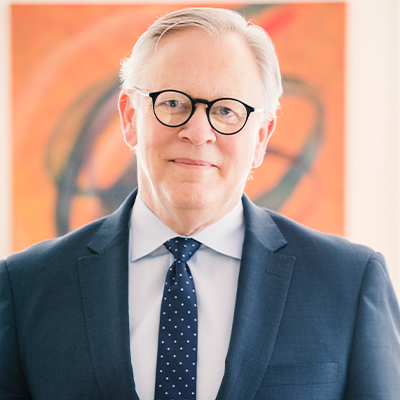
Mark Labberton, Clifford L. Penner Presidential Chair
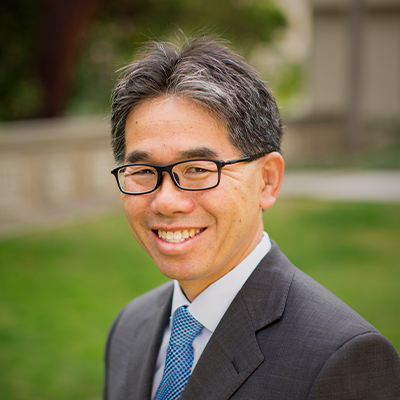
Kevin Chan, Trustee
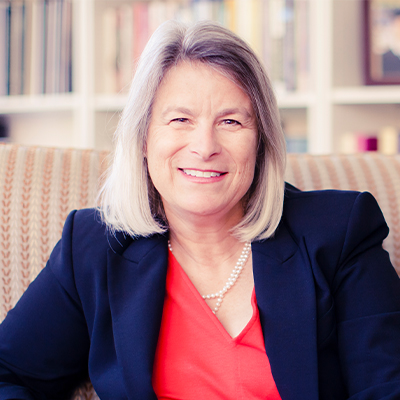
Mari Clements, Provost
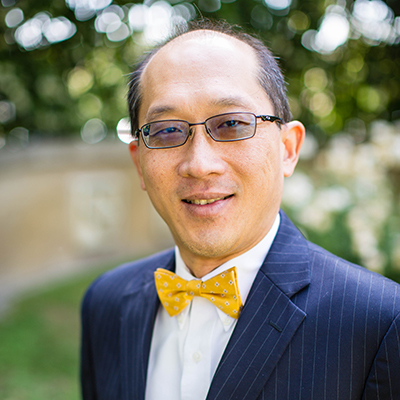
Amos Yong, Dean of the School of Theology and the School of Intercultural Studies
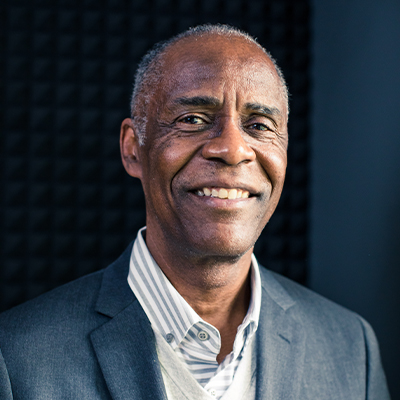
Ted Cosse, Dean of the School of Psychology
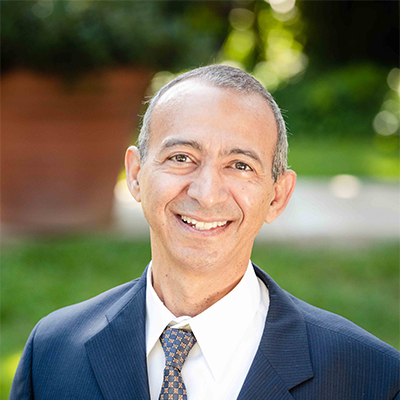
Ray Asad, Chief Operations Officer and Chief Financial Officer
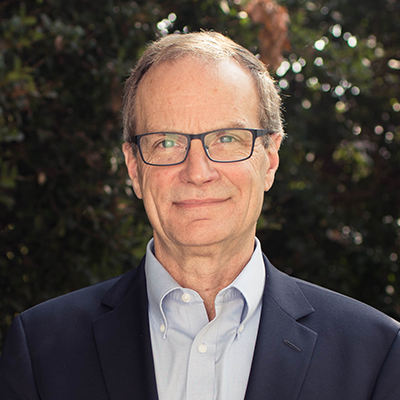
Brent Assink, Chief of Philanthropy
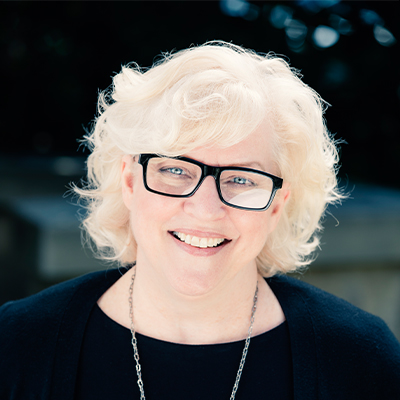
Lauralee Farrer, Chief Storyteller and Vice President of Communications
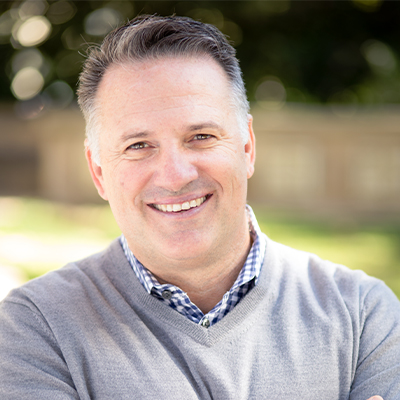
Tod Bolsinger, Vice President and Chief of Leadership Formation
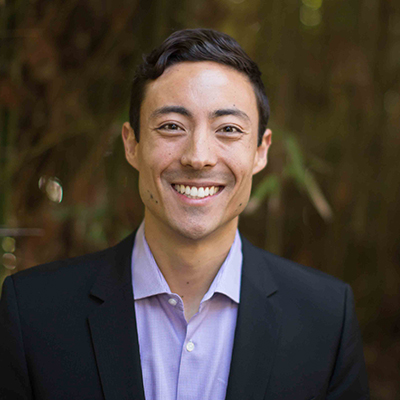
Marcus Sun, Vice President of Global Recruitment, Admissions, Marketing, and Retention
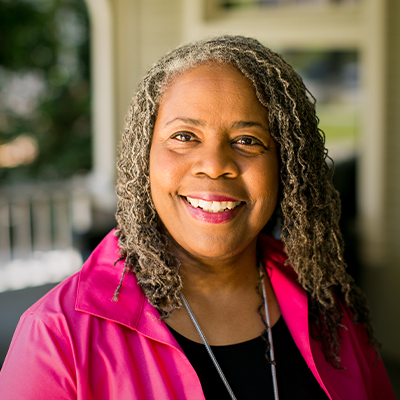
Alexis Abernethy, Associate Provost for Faculty Inclusion and Equity
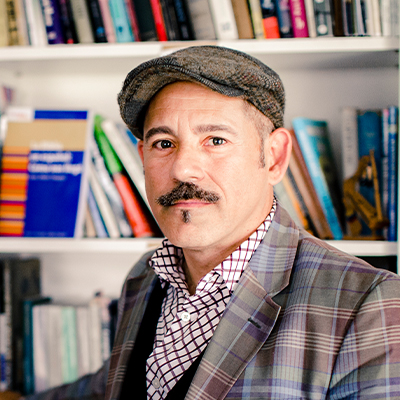
Oscar Garcia-Johnson, Assistant Provost for the Center for the Study of Hispanic Church and Community
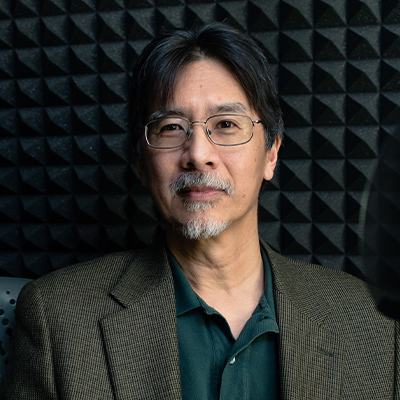
Cameron Lee, Professor of Marriage and Family Studies
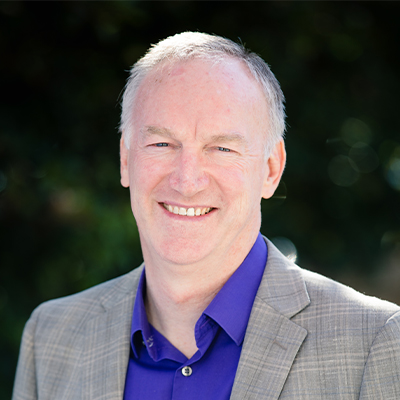
Scott Cormode, Hugh De Pree Professor of Leadership Development
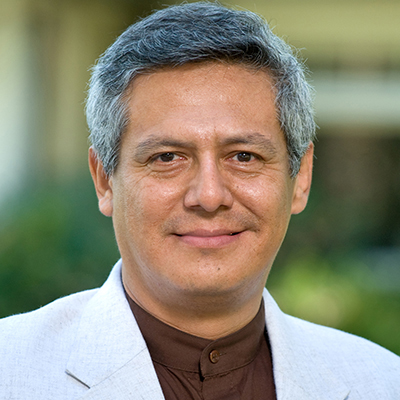
Wilmer Villacorta, Associate Professor of Intercultural Studies
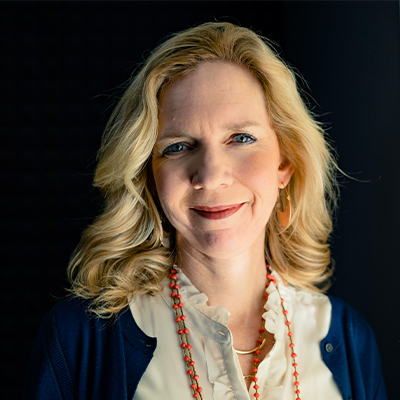
Kara Powell, Executive Director of Fuller Youth Institute
Martha Hunyadi, Director of Business Analysis and Implementation
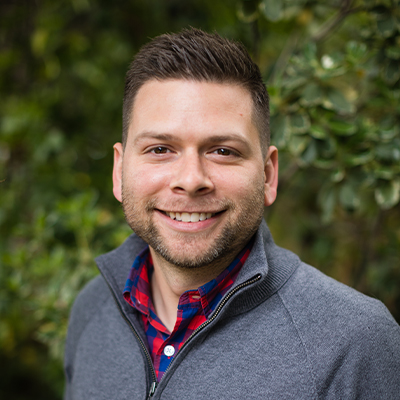
Britt Vaughan, Director of Communications
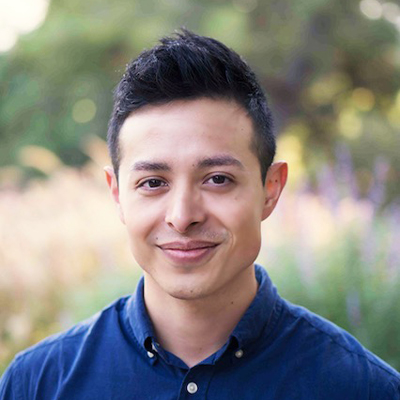
Rene Velarde, Student
Mike Bonem, Consultant
Greg Hawkins, Consultant
Past Updates